

full length mirror with lights
Understanding the Price of 250mm Gate Valves Gate valves are essential components in various industries, used to control the flow of liquids and gases in pipelines. Among their many specifications, the 250mm (or 10 inches) gate valve is notable for its size and functionality. The price of these valves can vary significantly based on several factors, including material, brand, design, and the specific application for which they are intended. Factors Influencing the Price 1. Material Composition The materials used to manufacture a gate valve play a crucial role in its pricing. Common materials include cast iron, stainless steel, and bronze. For instance, a stainless steel gate valve, known for its corrosion resistance and durability, typically costs more than a cast iron valve. The choice of material is often dictated by the working environment and the nature of the fluid being transported. 2. Design and Specifications The design of the valve, including its pressure rating and end connection type (flanged, threaded, etc.), can also influence the price. Higher pressure-rated valves that can withstand more significant operational stress tend to be more expensive. Specialty valves fitted with additional features, such as fire-safe designs or enhanced sealing mechanisms, further add to the cost. 3. Brand Reputation The brand of the valve can significantly affect its price. Established manufacturers with a reputation for quality and reliability often command higher prices. However, investing in reputable brands can lead to lower long-term costs due to less frequent replacements and maintenance. 4. Market Demand and Supply Chain Factors The current market conditions, including demand and supply dynamics, can cause fluctuations in pricing. Economic factors, trade regulations, and supply chain disruptions can all impact availability and pricing. For instance, during times of increased construction or industrial activity, the demand for gate valves may rise, pushing prices up. 250mm gate valve price 5. Application and Industry Different industries have varying requirements for gate valves. For example, valves used in the oil and gas industry often need to meet stricter specifications and standards, leading to a higher price point. Conversely, valves used in less demanding applications may be produced at a lower cost. Average Price Range As of recent data, the price of a 250mm gate valve can range significantly. On the lower end, basic models may be priced around $200-$400, while those with specialized features or made from high-quality materials can exceed $1,000. Custom-built valves, which are tailored to specific requirements, can be priced even higher, reflecting the added engineering and design work involved. Buying Considerations When purchasing a 250mm gate valve, it’s essential to consider not just the initial cost but also the long-term value. Factors such as maintenance requirements, replacement intervals, and energy efficiency should be included in the overall cost analysis. Engaging with reputable suppliers and consulting with engineers can help in selecting the best valve for your needs, balancing upfront costs with durability and performance. Conclusion The price of a 250mm gate valve is influenced by multiple factors, from material choices and brand reputation to market demand and application specifics. While cost is an important consideration, the ultimate focus should be on selecting a valve that ensures safety, performance, and longevity. Understanding these variables will help you make informed purchasing decisions, ultimately leading to better operational efficiency and reduced costs in the long run.
about
full length mirror with lights
The Importance of Water Valves in Modern Infrastructure Water valves play a crucial role in the management and distribution of water, one of the most essential resources for life. Among the various types of valves used in plumbing systems, the 1% 201 2% water valve is a noteworthy example, offering a range of applications that enhance efficiency and reliability. Understanding the significance of these valves can provide insight into their impact on modern infrastructure and daily life. The Functionality of Water Valves At their core, water valves are devices that control the flow of water within a piping system. They can be used to start, stop, or modulate the water flow, making them integral to various applications, from residential plumbing to large-scale industrial systems. The 1% 201 2% water valve is specifically designed with features that facilitate precise flow control. These valves are constructed to handle different pressures, temperatures, and water quality conditions, making them versatile options for numerous environments. Their primary function is to regulate water distribution in a way that maximizes efficiency while minimizing waste. Applications in Infrastructure One of the primary applications of the 1% 201 2% water valve is in municipal water supply systems. These valves are used to manage the flow of potable water from treatment plants to homes and businesses. By ensuring that water is delivered efficiently, these valves help maintain a steady supply, which is critical for communities. 1 1 2 water valve Moreover, in irrigation systems, water valves play a vital role in agriculture. The 1% 201 2% water valve can automate the distribution of water to crops, ensuring that plants receive the appropriate amount of water without over- or under-irrigation. This capability not only conserves water but also enhances crop yields, contributing to food security. In industrial settings, these valves help manage water in manufacturing processes, cooling systems, and waste treatment plants. By regulating water flow, they ensure that operations run smoothly and safely. The ability to control water presence and pressure is particularly important in preventing damages and ensuring compliance with environmental regulations. Benefits of Using Efficient Water Valves The adoption of advanced water valves like the 1% 201 2% valve offers several benefits. One of the primary advantages is efficiency. By optimizing water flow, these valves reduce waste and energy consumption. For instance, they can help lower water bills for households and businesses, making their use economically appealing. Additionally, efficient water management contributes significantly to environmental sustainability. In a world where water scarcity is becoming increasingly prevalent, using valves that can enhance water conservation is essential. By minimizing leaks and ensuring that water is used where needed, these valves support efforts to protect this precious resource. Conclusion In conclusion, the 1% 201 2% water valve exemplifies the critical role that water valves play in contemporary infrastructure. From municipal supply systems to irrigation and industrial processes, these valves ensure the efficient and effective management of water resources. Their ability to control flow not only promotes economic savings but also advances sustainability efforts in a world where water is becoming a precious commodity. As we continue to navigate the challenges presented by climate change and population growth, the importance of such mechanisms in maintaining our water systems cannot be overstated. Investing in quality water valves is investing in a sustainable future for generations to come.
-

High quality industrial productsagement

High quality industrial products
View Details -

Meet the diverse needs of customers

Meet the diverse needs of customers
View Details -

Strict quality control

Strict quality control
View Details -

Top raw materials

Top raw materials
View Details -

Trusted supplier

Trusted supplier
View Details
Our application
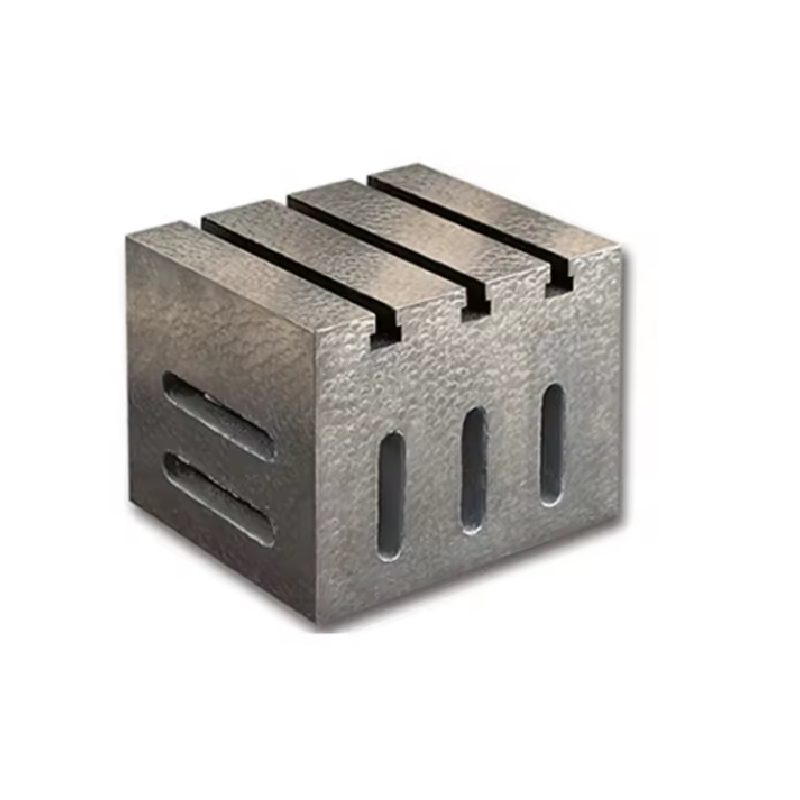


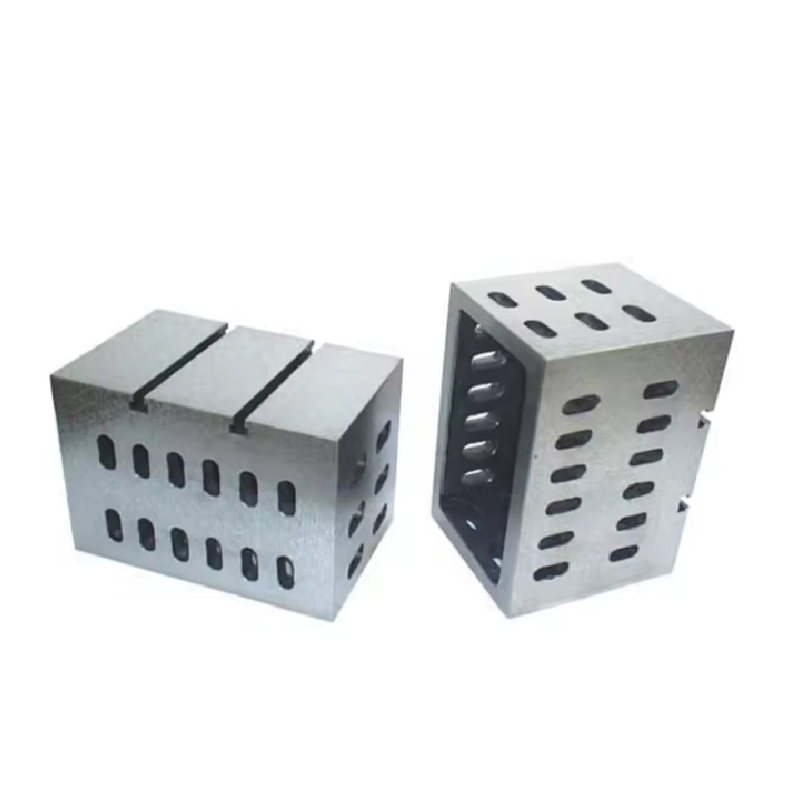
news and information
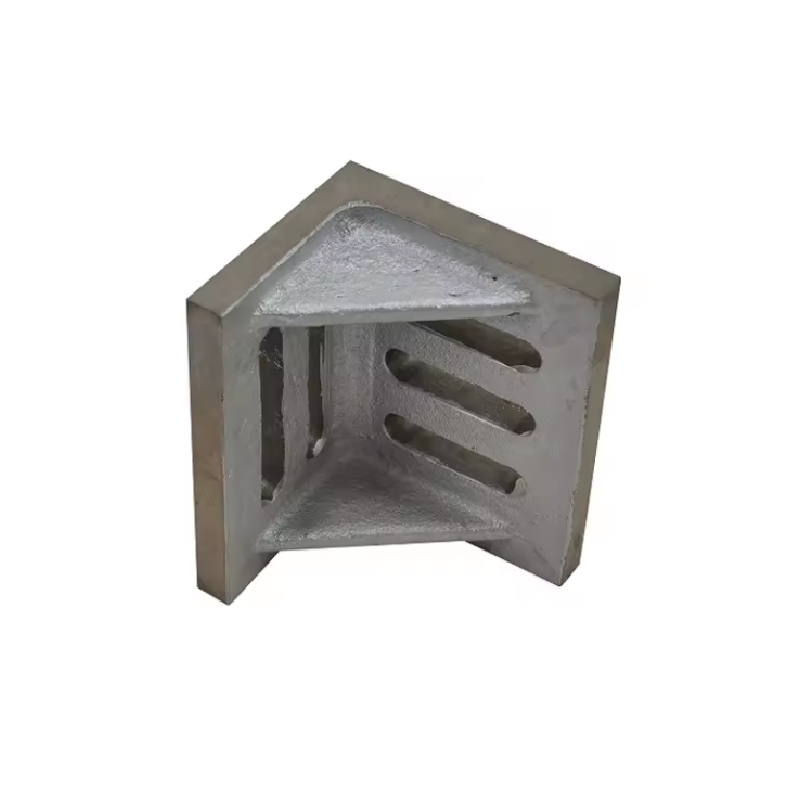
water valve types
Understanding Water Valve Types A Comprehensive Guide Water valves are critical components in plumbi
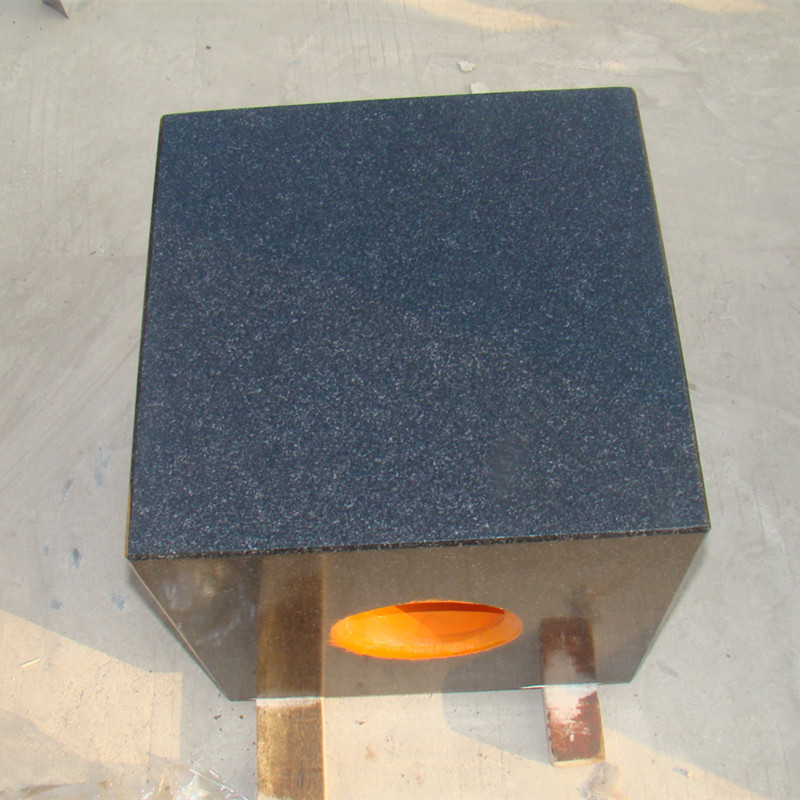
valve metal
The Significance of Valve Metals in Modern Technology Valve metals play a crucial role in various in
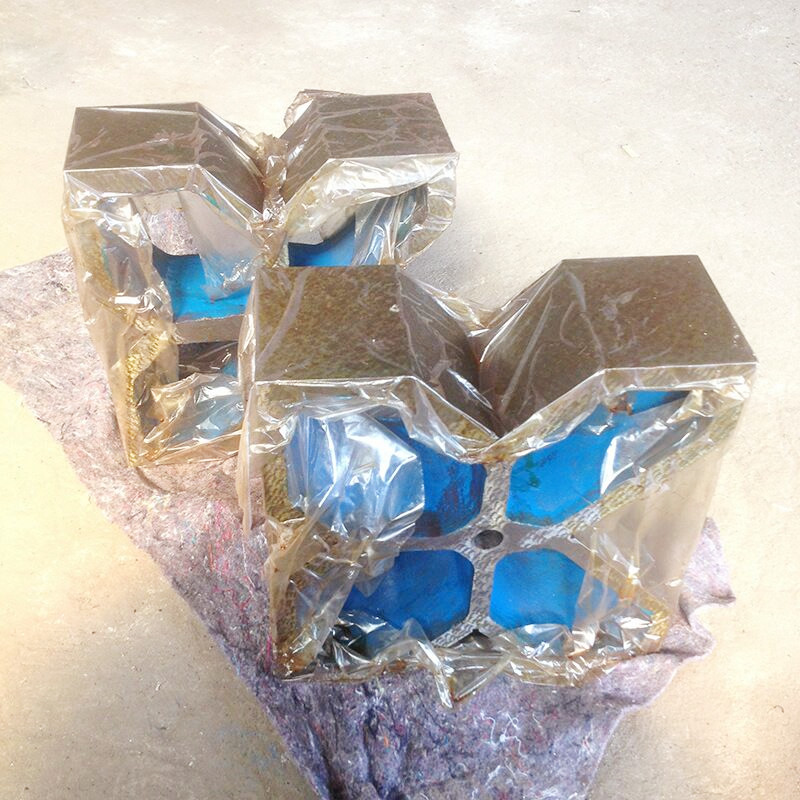
v blocks for sale
V Blocks for Sale An Introduction to a Unique Real Estate Opportunity In today’s fast-evolving real
 English